Reputation-based systems and multisig councils are also explored to enhance decision-making processes.
Proposals cover treasury spending, upgrades, partnerships, with measures in place to prevent spam.
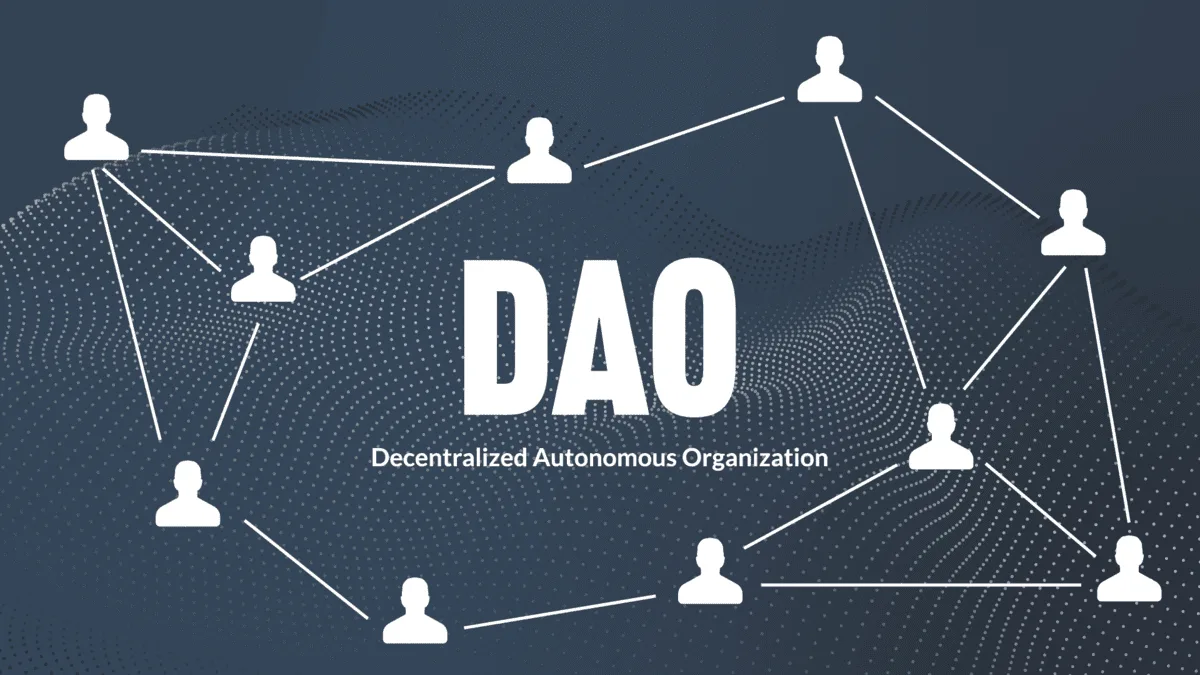
DAO governance models shape how decentralized organizations decide, manage resources, and evolve autonomously.
Most DAOs opt for token-based voting, aligning influence with financial stake but risking plutocracy.
Alternative models like delegated voting and quadratic voting offer ways to balance power dynamics.
Reputation-based systems and multisig councils are also explored to enhance decision-making processes.
Proposals cover treasury spending, upgrades, partnerships, with measures in place to prevent spam.
Challenges faced include low voter turnout, complexity of proposals, and potential governance attacks.
DAO governance models shape how decentralized organizations decide, manage resources, and evolve autonomously.
Most DAOs opt for token-based voting, aligning influence with financial stake but risking plutocracy.
Alternative models like delegated voting and quadratic voting offer ways to balance power dynamics.
DAO governance models define how decentralized autonomous...
Most DAOs use token-based voting, where voting power is p...
Alternative models include delegated voting (tokenholders...
Some DAOs experiment with reputation-based systems (non-t...
Challenges faced include low voter turnout, complexity of proposals, and potential governance attacks.
DAO governance models offer a fair system where tokenholders have a say in decisions based on their stake. Token-based voting and delegated voting options help balance power and reduce apathy.
The evolution of DAO governance models is crucial for the sustainability and growth of decentralized autonomous organizations. By addressing challenges like low voter turnout and complexity, these models pave the way for a more resilient governance framework.
As a member of the community, I value the transparency and efficiency that DAO governance models bring to decision-making processes. These models encourage active participation and help prevent governance attacks for a more secure ecosystem.
DAO governance models introduce innovative ways for decentralized decision-making. Quadratic voting and alternative voting methods ensure a more inclusive and balanced approach to governance within decentralized autonomous organizations.
I appreciate how DAO governance models empower tokenholders to participate in decision-making processes. The use of reputation-based systems and multisig councils adds diversity and security to the governance structure.
DAO governance models offer a fair system where tokenholders have a say in decisions based on their stake. Token-based voting and delegated voting options help balance power and reduce apathy.
DAO governance models shape how decentralized organizations decide, manage resources, and evolve autonomously.
277 Stewart Rd SW, Pacific, WA 98047, US
homedepot@gmail.com